EXECUTIVE SUMMARY
We had three reasons to believe that the SSA economies would be rather resilient facing the Covid-19 pandemic. We were referring to a foreseeable natural immunity of the Region citizens, to a pressure on the authorities to ease the barrier measures as well as to a limited exposure of SSA’s countries to the tourism sector. Finally, the indicators show that, faced with Covid-19, the Region is no exception. SSA would have lost 7.4% overall growth expected in 2020, going from a pre-Covid-19 growth level of + 3.0% to -4.4% 12 months later. As a matter of fact, the weight of fall in commodity prices, a narrowed leeway in the implementation of fiscal and monetary stimulus and a resumption of tensions weighed heavily on the growth indicators of SSA countries.
While the Region as a whole is caught up by the effects of the pandemic crisis, diversified economies display better resilience than their resource-intensive counterparts in times of crisis. In this wake, countries belonging to the economic zones of WAEMU and COMESA stand out with growth rates of around 2.0% while the majority of countries record recessions in 2020.
On the other hand, the Covid-19 shock was virulent for economies which rely on tourism. Likewise, the pandemic battered economies which were in bad shape prior to the health crisis. The source of these difficulties lie in a context of budgetary imbalance for several countries, but also in the absence of a growth driver for certain large SSA economies.
For this year 2021, the SSA average growth is estimated at 3.1% after -3.0% in 2020. This level remains lower than the 2010-2019 standard rate which was 4.2%. The recovery would be felt more strongly among diversified economies. Oil-producing countries mainly would observe a lag time. Even the 3 main economic powers in the Region could only compensate for the losses suffered in 2020 starting FY2022.
In any case, we believe that this rupture could not be lasting. It is true that we would have to wait until the year 2022 to see the majority of African countries resume with an ordinary growth level, nevertheless the Region fundamentals which are based on demography, urbanization, infrastructure needs and natural resources cannot be called into question.
Read more.
Sur le même thème
Research Paper- LABEL VIE H1 2020 Results
The half-year results of Label Vie in H1-20 confirm the positive dynamics of the modern distribution sector in Morocco. Thanks to double-digit profit growth on MT, we believe the share price offers an attractive margin of appreciation of 28%.
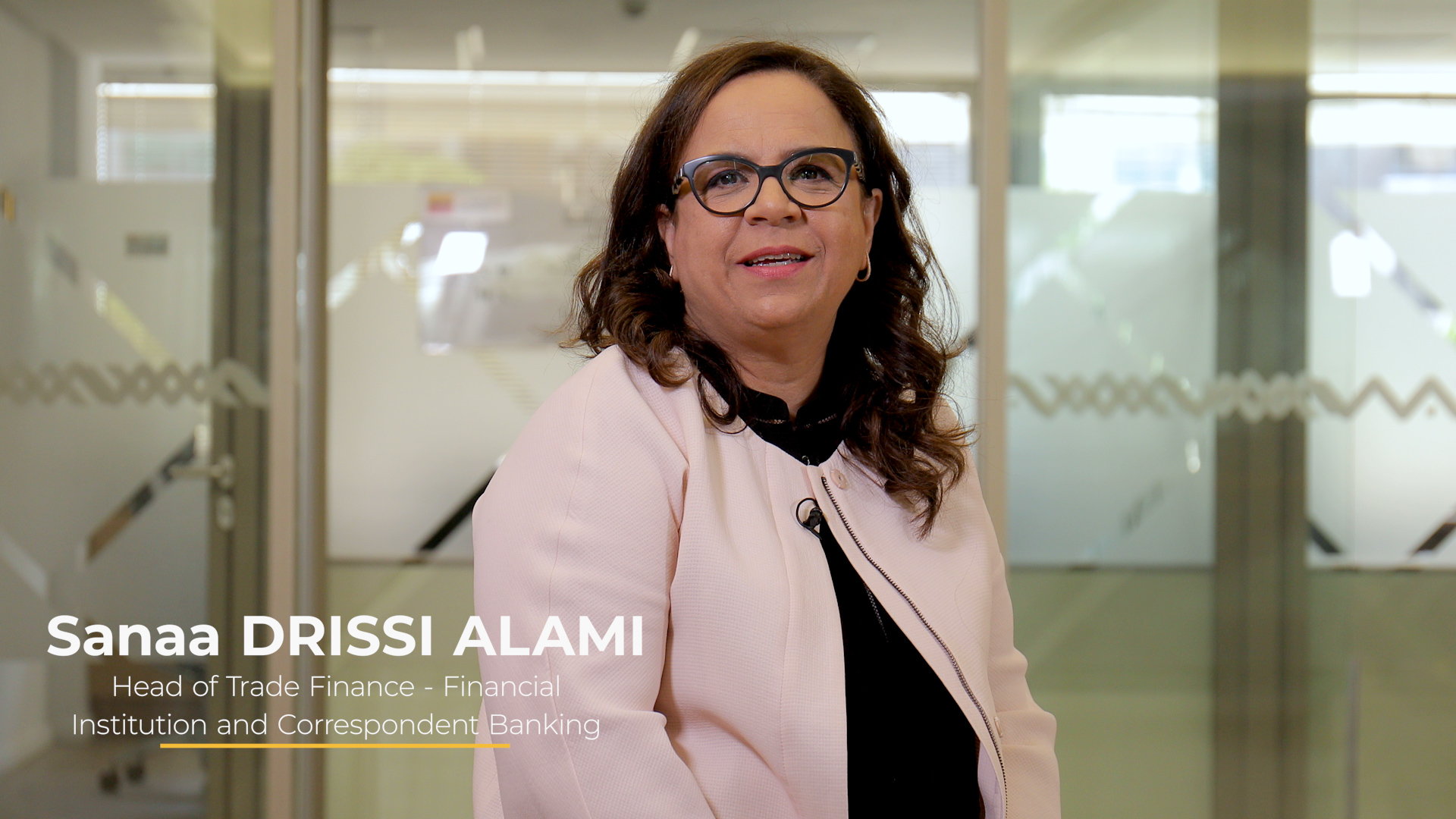
Trade finance, FI & Correspondent banking
Interview of Sanaa DRISSI ALAMI. Director of Trade Finance, Financial Institution & Correspondent Banking.
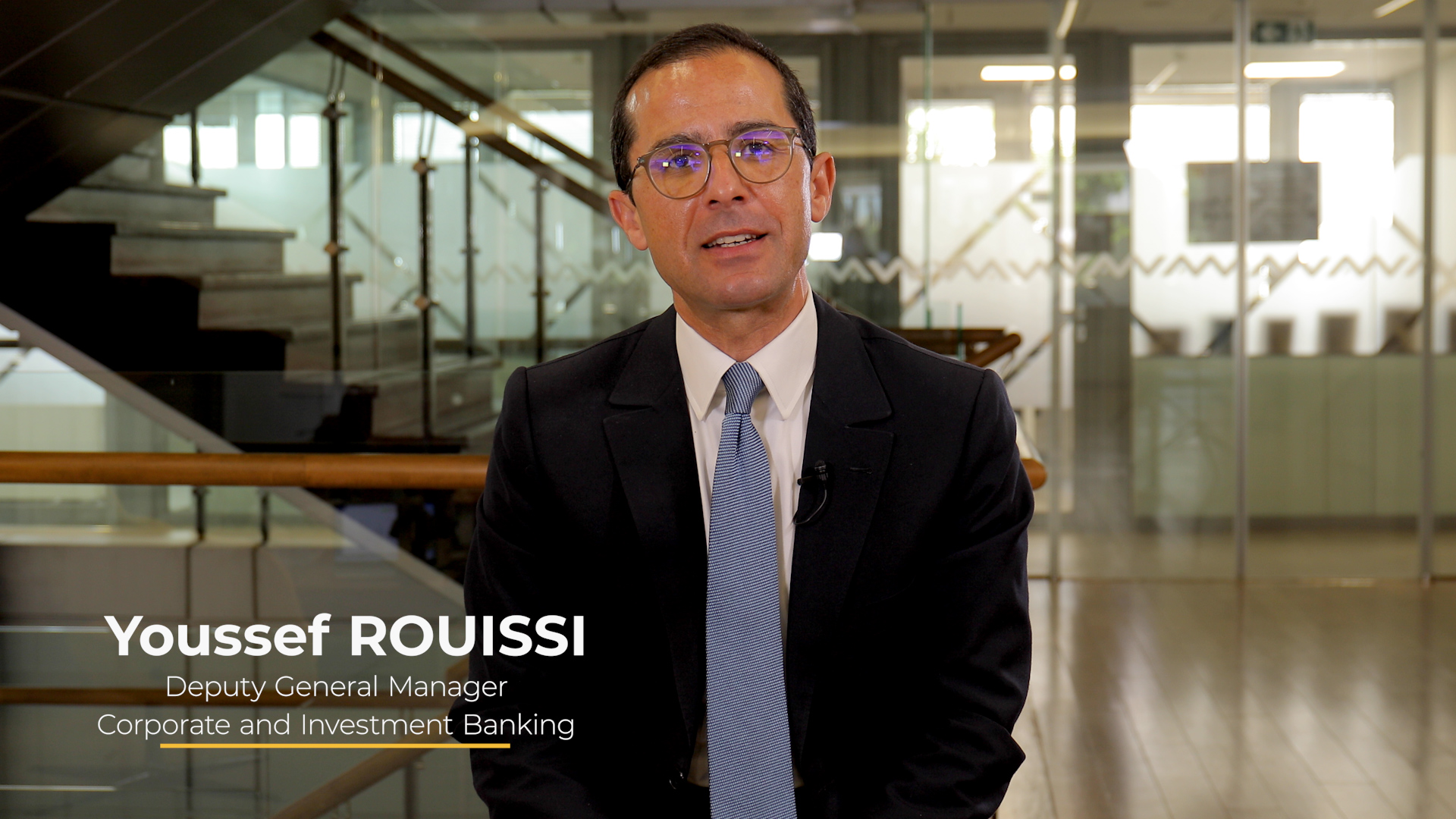
Welcome to your new Attijari CIB portal
Welcome to Attijari CIB portal, an innovative plateform that represents a new stage in our relations with our customers and partners.